-
 Local Free & Fast Delivery
-
 24/7 Online Support
-
 30-Day Return & Refund
-
 5-Year Free Wararnty


- Best Seller
- Smart Bluetooth
- Multi-Protocol
- Low-temp Cutoff
- LCD Control
- Active Balancing
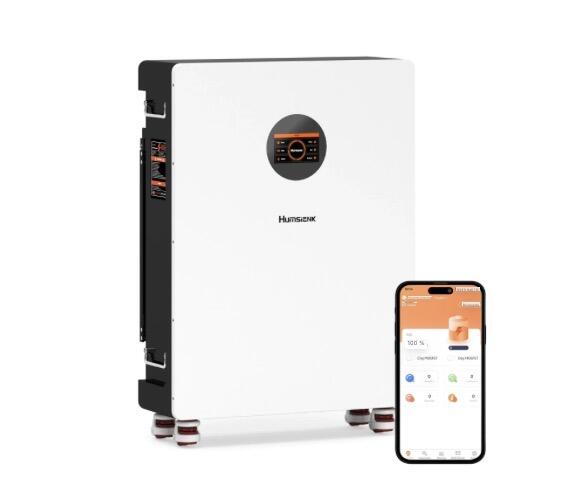
Humsienk 48V 100~628Ah LiFePO4 Battery | Active Balancing & LCD Touchscreen
- Standard 3U Rack‑Mount Design – Compact footprint of 17.32 × 19.69 × 5.24 inches and lightweight at just 96.45 lbs – 60% lighter and 33% smaller than four 12V 100Ah lead‑acid batteries, saving space and simplifying installation.
- 3A Active Balancing – Balances 100× faster than conventional passive systems (0.03A), ensuring all cells remain perfectly matched – reducing heat, preventing premature aging, and extending overall pack life.
- Grade A+ Cells – Deliver over 15,000 cycles at 60% DOD and an industry‑leading energy density of 53.08 Wh/lbs – far surpassing ordinary lithium batteries in performance and longevity.
- Intelligent 100A BMS + Dual‑Layer Safety – Provides full protection against over‑charge, over‑discharge, over‑current, short circuits, high temperature, and low temperature, plus a physical ON/OFF switch and automatic overload shut‑off for double peace of mind.
- 5.12kWh Capacity, Scalable Up to 102.4kWh – Supports up to 20 units in parallel (auto‑address and master‑slave identification), making it ideal for home storage, off‑grid systems, server rooms, factories, and more.
- Smart Monitoring & Wide Compatibility – Bluetooth app provides real‑time voltage, current, temperature, and SOC data on your smartphone; supports CAN, RS485, and RS232 protocols for seamless integration with leading inverters (Victron, Deye, Growatt, SMA, PYLONTECH, and more).
- 5‑Year Warranty – Backed by a 5‑year warranty, 24/7 technical support, and international certifications including SDS, UN38.3, FCC, CE, and RoHS – your investment is fully protected.
Hurry! Only--items left in stock!
Special Add-Ons

Humsienk 48V 8kW Hybrid Inverter | 120/240V Split-Phase, 10ms UPS, Dual MPPT

Humsienk 48V 12kW 3-in-1 Hybrid Inverter | Dual MPPT, 10ms UPS, 6-Unit Parallel
-
Local Free & Fast Delivery
-
24/7 Online Support
-
30-Day Return & Refund
-
5-Year Free Wararnty
See How Humsienk Performs
Real homes, RVs, boats and off-grid setups - tested by owners and creators.(The promotional price shown is for reference only. Please refer to the actual price at checkout. )
-
 48V 100Ah
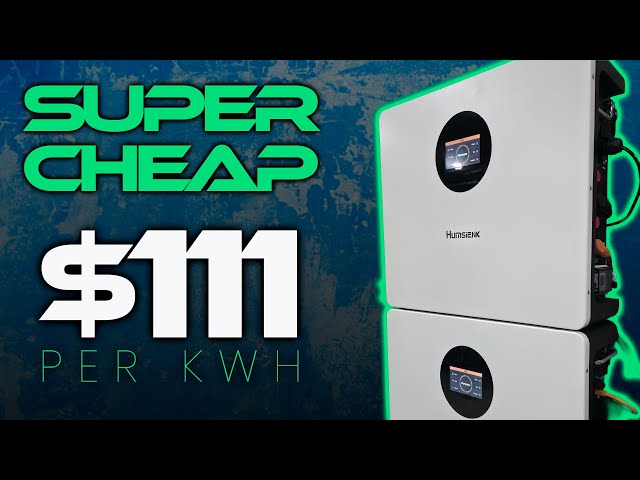
Testing the CHEAPEST 48v 100Ah Wall Mount battery I can find - Humsienk
In this video, I test the Humsienk 48V 100Ah wall mount battery, a 5.12kWh system that is currently the cheapest wall mounted battery I have personally tested.
-
 48V 314Ah
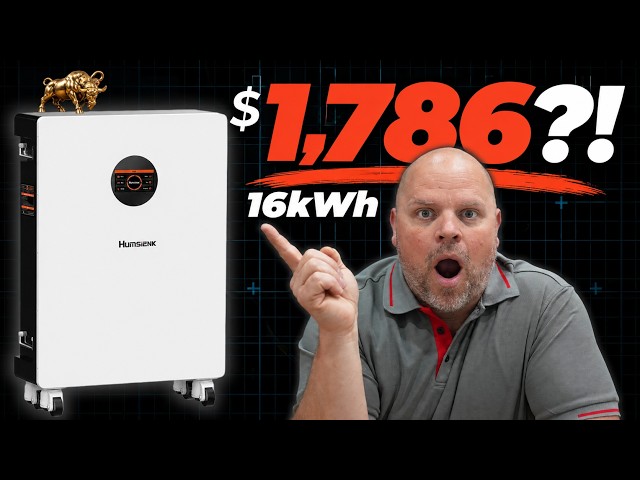
How is this so CHEAP? - 16kWh Battery!!!
Humsienk 51.2V 314Ah Wall Mount Battery delivers over 16kWh of LiFePO4 storage at one of the lowest price-per-kWh values I’ve seen to date. In this video, I put it through real-world testing, check inverter compatibility, and break down whether this actually makes more sense than building your own DIY battery system.
-
 48V 628Ah
⚡ The HUGE 48V 628Ah Humsienk Battery is HERE! (Ultimate Off-Grid Power)
Is this massive Humsienk 48V 628Ah LiFePO4 battery the ultimate game-changer for off-grid solar systems, home backup, and high-capacity power builds? In today’s video, we break down every detail—from unboxing and build quality to real-world performance testing!


Which Battery Fits Your Setup?
| Product |

48V 100AhWall-mounted |

48V 300AhWall-mounted |

48V 314AhFloor-standing |

48V 628AhWhole Home |
| Capacity | 5.12kWh | 15.36kWh | 16.07kWh | 32.15kWh |
| Dimensions | 21.65 × 7.28 × 19.09 in | 35.04 × 24.41 × 8.58 in | 24.40 x 10.00 x 35.04 in | 33.46 × 16.93 × 28.82 in |
| Weight | 104.05 lbs | 260.15 lbs | 294 lbs | 530.21 lbs |
| BMS Current | 100A | 200A | 200A | 200A |
| Bluetooth | ||||
| Max Power | 5120W | 10.24kW | 10.24kW | 10.24kWh |
| IP Rating | IP54 | IP654 | IP54 | IP65 |
| Best Application | Home Storage, Off-grid, DIY Solar Power, Data Base | Home Storage, Off-grid, DIY Solar Power, Data Base | Home Storage, Off-grid, DIY Solar Power, Data Base | Home Storage, Off-grid, Data Base |
| Price (USD) | $999.99 USD | $2,499.99 USD | $2,799.99 USD | $4,499.99 USD |
Frequently Asked Questions
To ensure optimal and safe operation, follow these guidelines :
- Environment: Choose a clean, cool, and well-ventilated area, away from direct sunlight and flammable materials.
- Ambient Temperature: The ideal operating temperature range is between 0°C and 45°C (32°F - 113°F) for charging. Avoid using the battery in extreme temperatures.
- Space: Maintain sufficient clearance around the battery as specified in the manual to ensure proper heat dissipation and access for wiring.
- Wall Strength: Ensure the wall can securely support the weight of the battery.
Connecting communication cables (like RS485, CAN, or RS232) between the battery and a compatible inverter allows for "closed-loop" communication. This enables the inverter to receive real-time data from the Battery Management System (BMS) for more precise charging and optimal performance.
- Avoid Extreme Temperatures: High heat accelerates degradation, and charging at temperatures below 0°C (32°F) can cause permanent damage unless the battery has a built-in self-heating function .
- Use a Compatible Charger: Always use a charger or inverter with charging profiles specifically designed for LiFePO4 batteries.
- Optimal Storage: If storing the battery for a long period, charge it to 40%-60% state of charge and keep it in a cool, dry place. Check and recharge it every 3-6 months.
- Regular Use: Periodic full charge/discharge cycles can help the BMS calibrate the state of charge reading for better accuracy.
Most wall-mounted batteries support parallel connection to increase total capacity (e.g., from 5kWh to 15kWh). When paralleling, always use batteries of the same brand, model, and age. Use cables of the same length and gauge for each battery to ensure balanced charging/discharging. Adhere to the manufacturer's limit on the maximum number of parallel units.
Customers praised this 48V LiFePO4 battery for working perfectly as advertised and being easy to install and connect. The company received high marks for exceptional customer service, with one customer noting they replaced a stolen battery immediately. Compatible as an expansion battery. Both customers gave 5-star ratings.
Super battery!
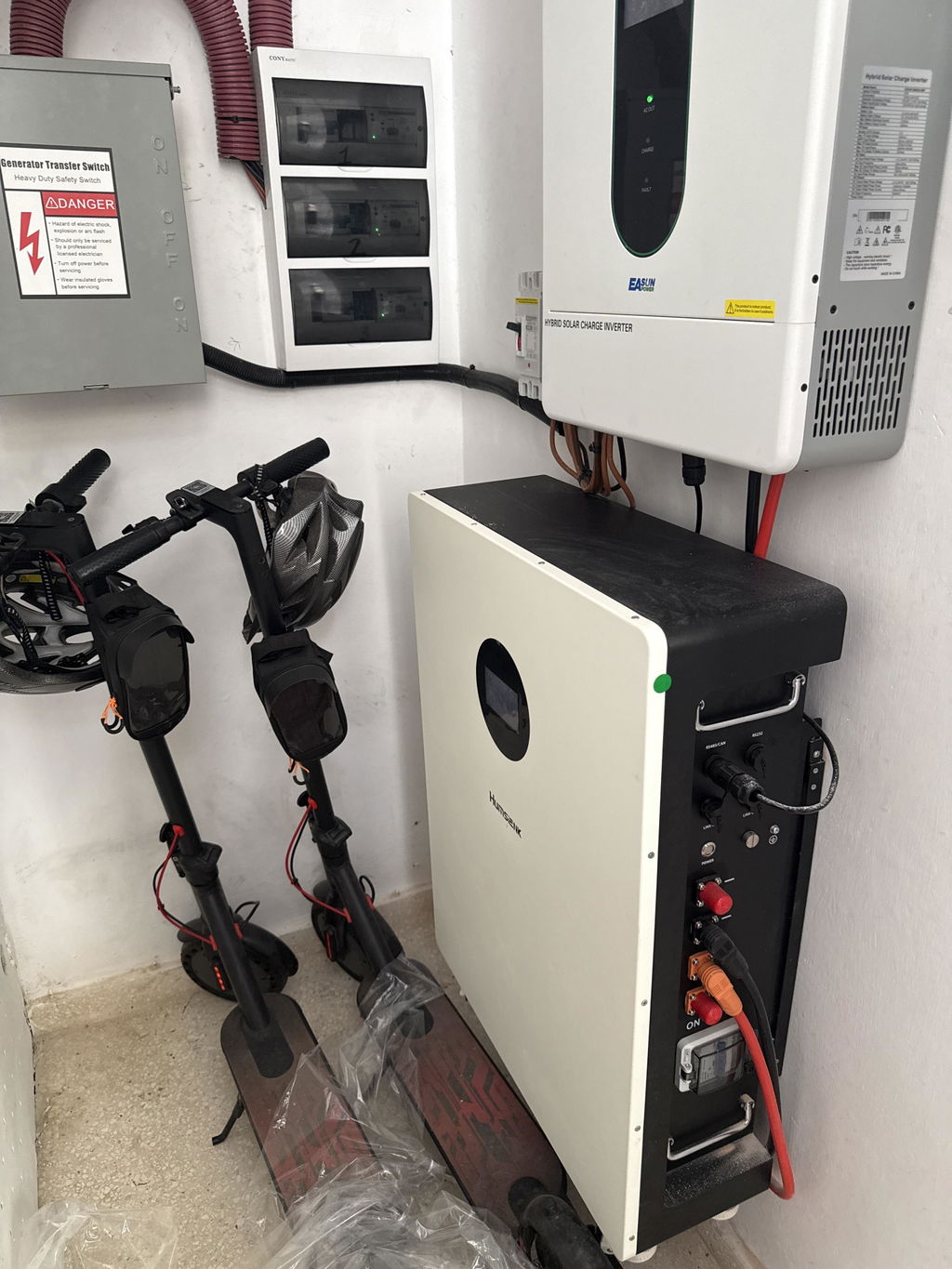

Espero disfrutar de una buen calidad
Todo llegó en muy buen estado en un tiempo récord.
Estoy muy contento con mi compra ninguna queja recomendado este artículo un 1000% ojalá y todas las ajencias de EEUU brindaran un servicio así
Great
Plugged it into my system right off the truck powering the inverter in minutes.
Thank you all.
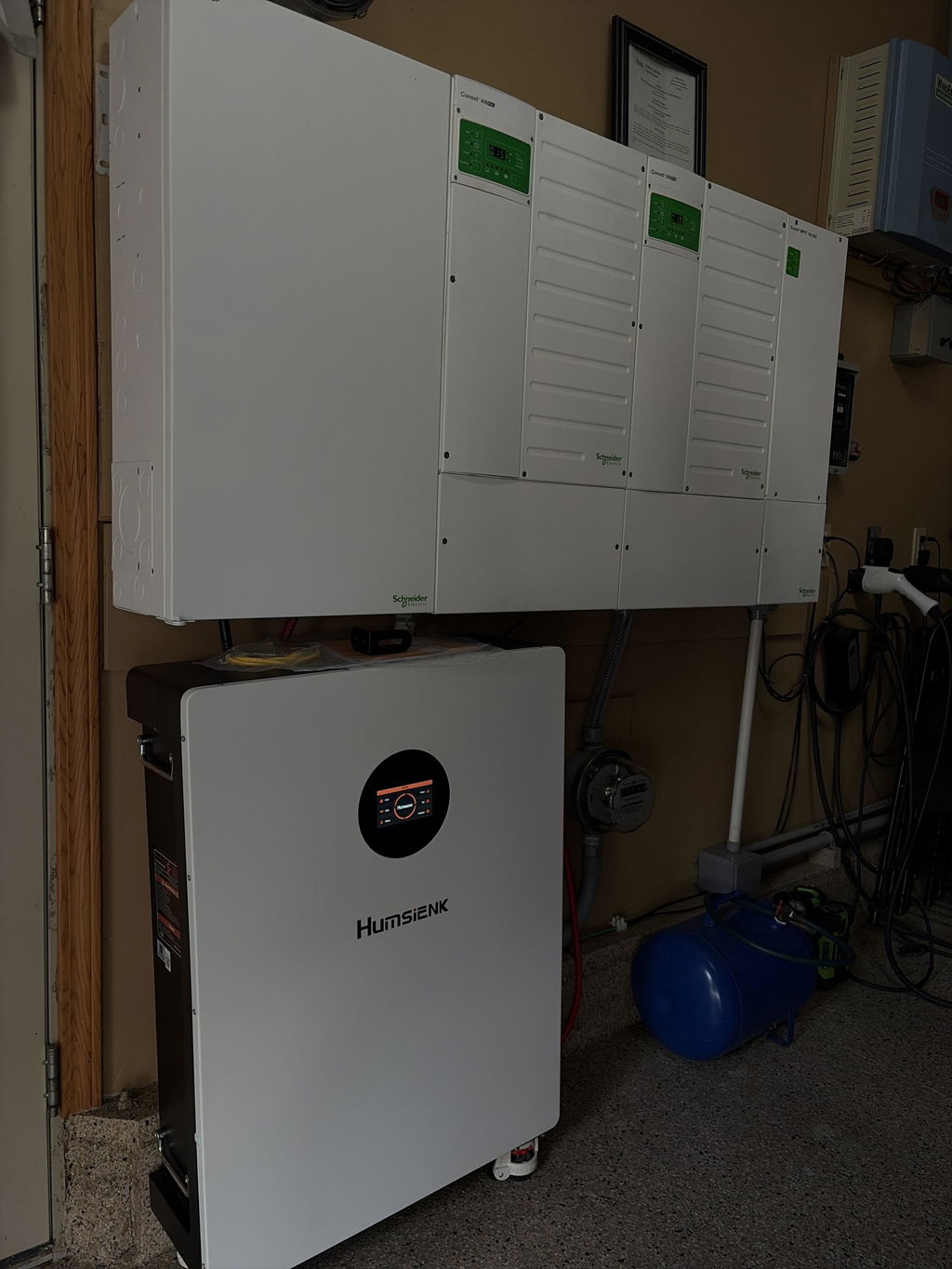
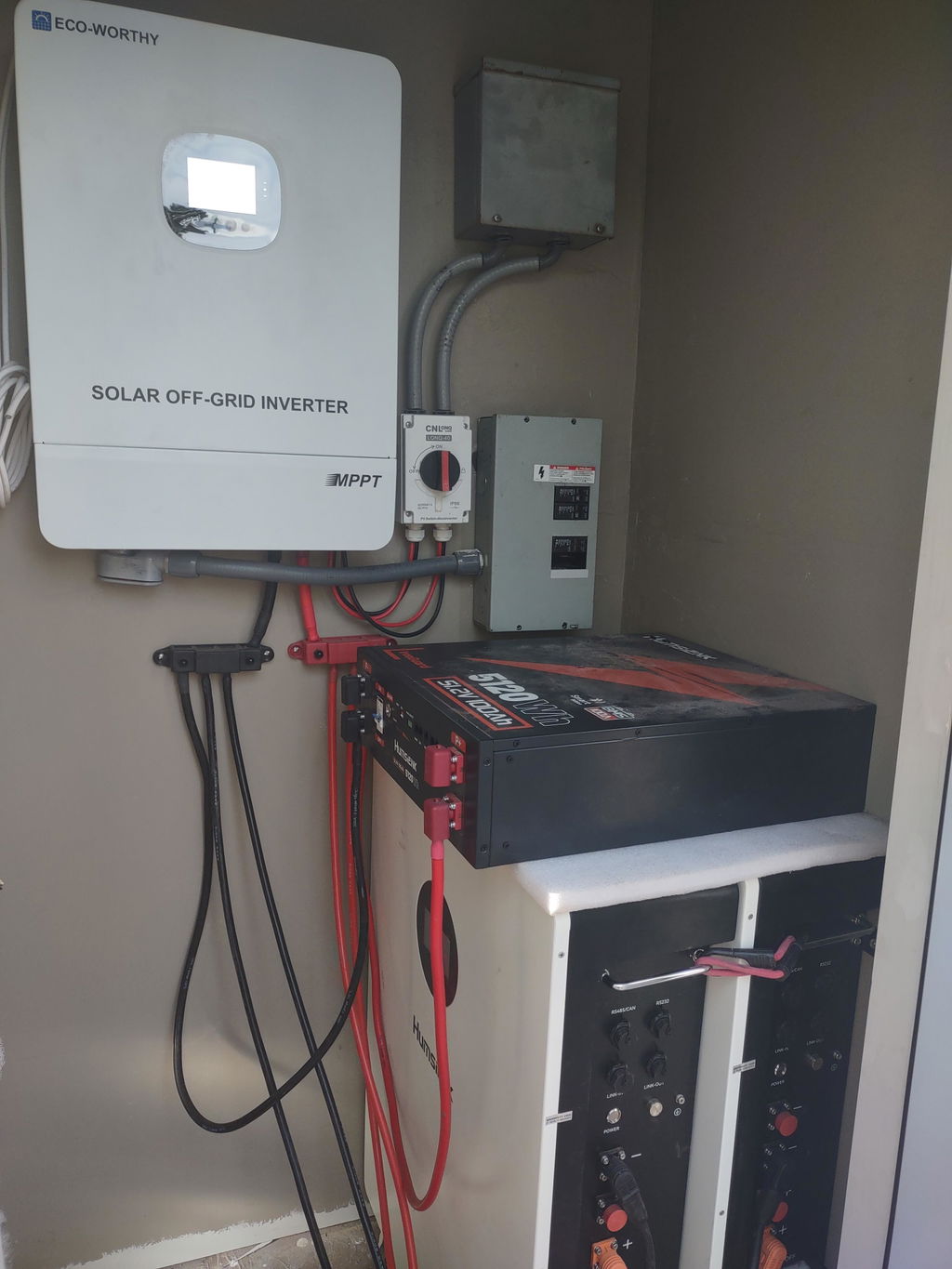
This seems to be a very Good Battery.
I have had very cloudy skies since I installed the
battery. But seems to charge faster then the other two batteries beside it.
It has been working Flawlessly since it was connected to the system ten days ago.
I am Happy with its performance at this time.
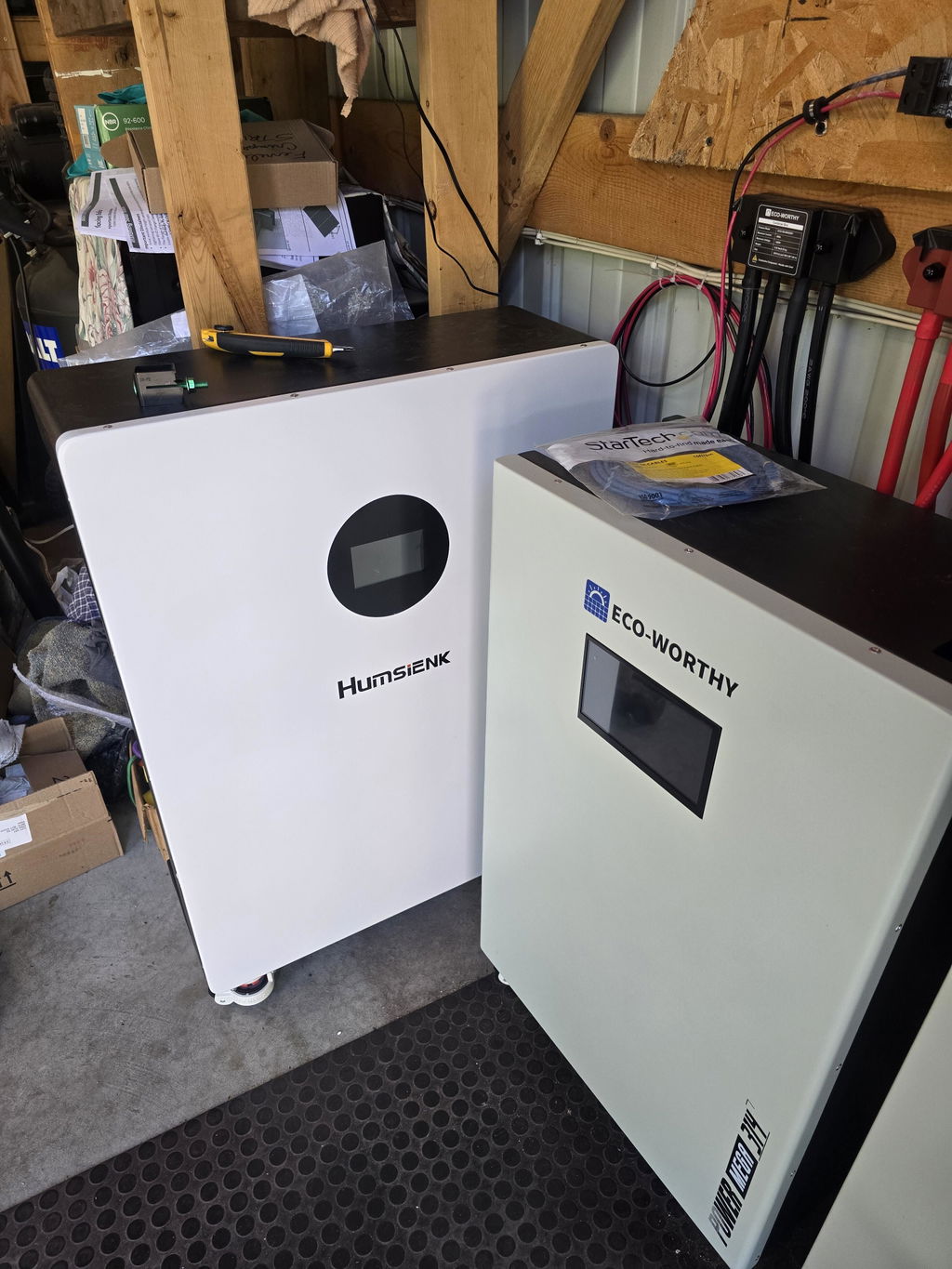
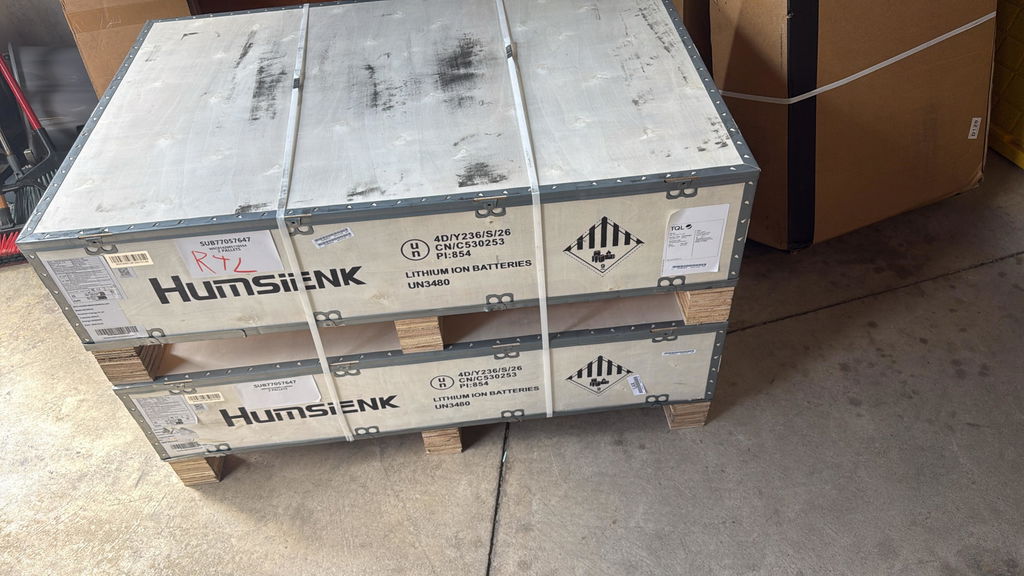
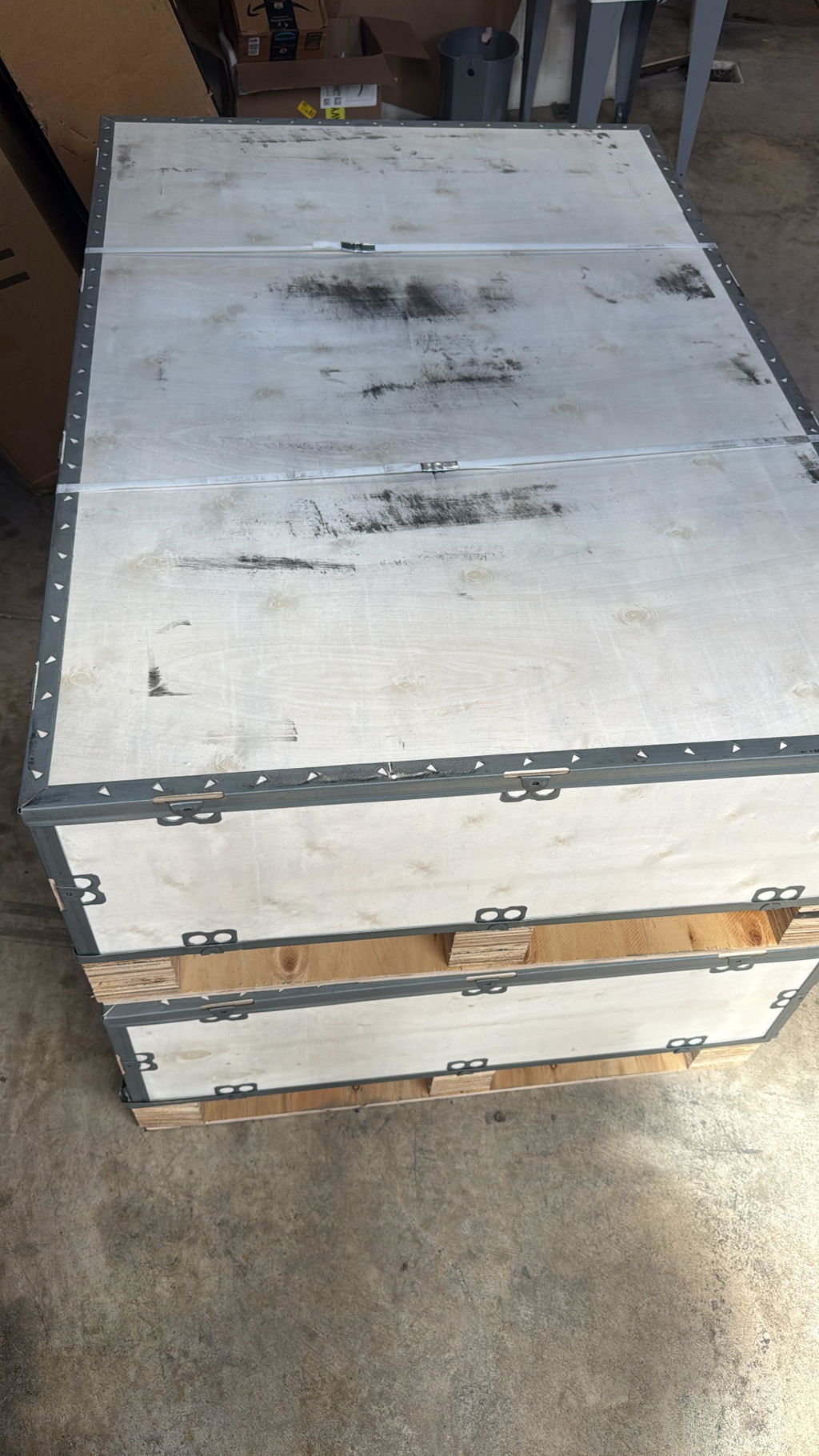
I have two of these batteries and they work perfectly. The only issue I have had is with shipping. Both batteries arrived damaged, one was damaged much more then the other. The company was quick to offer a discount in return for keeping the batteries.
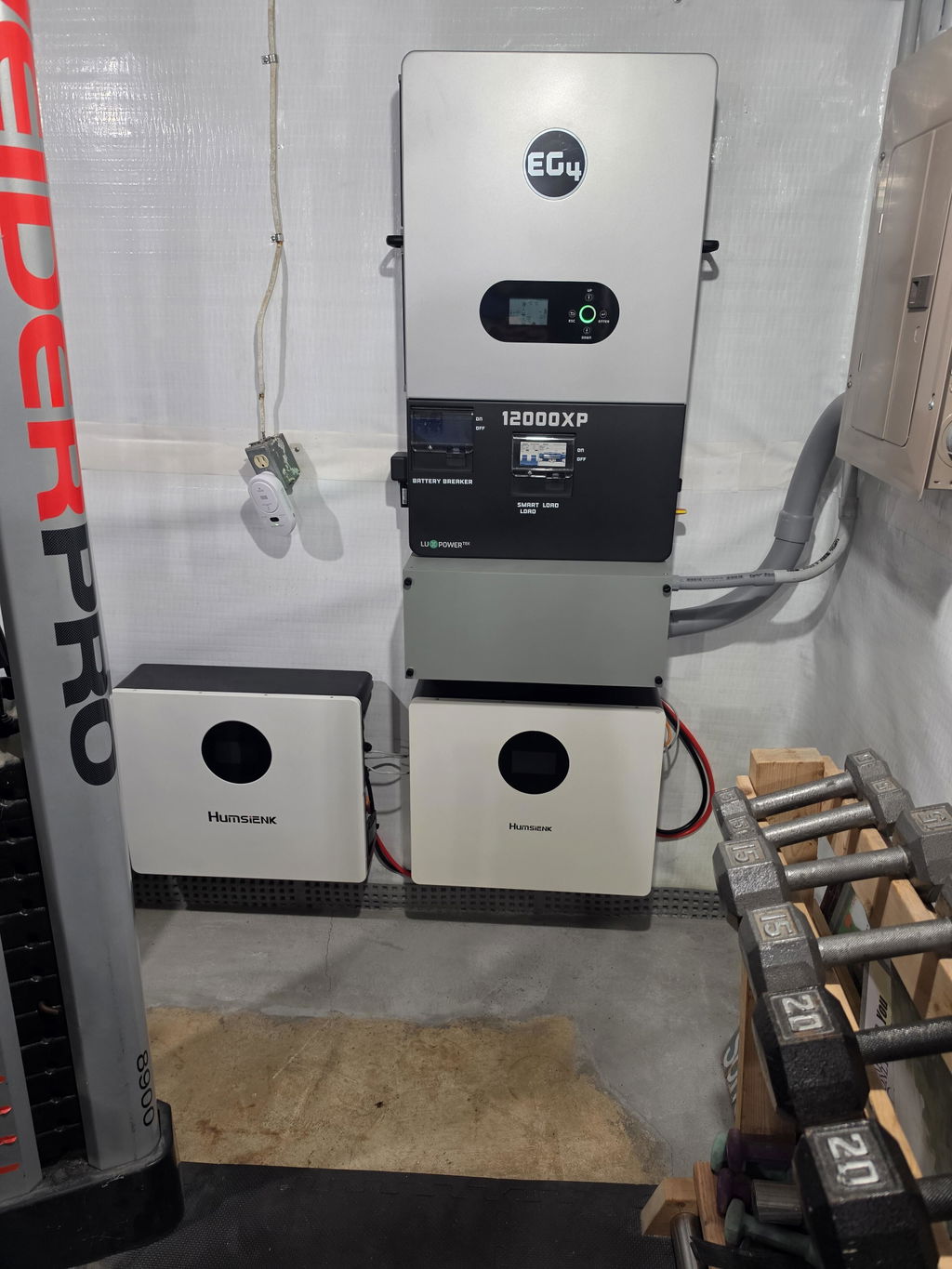
Good product, easy to install and commission. I bought two 314AH home storage. I just hoped it has WIFI connectivity for easier remote monitoring.
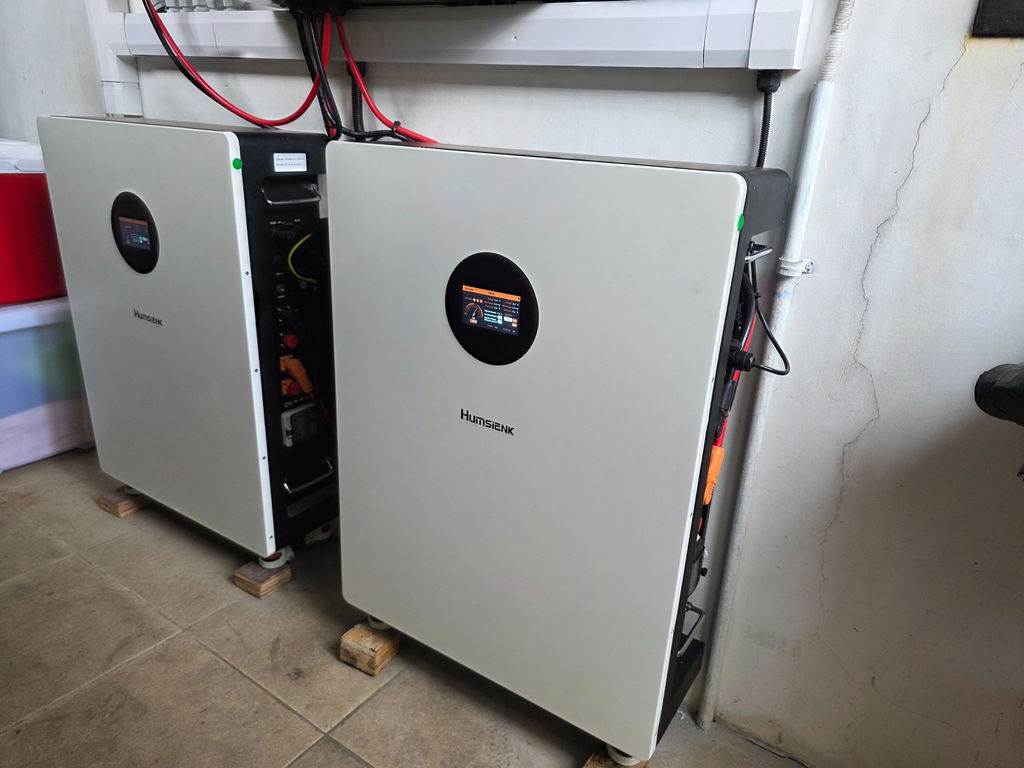
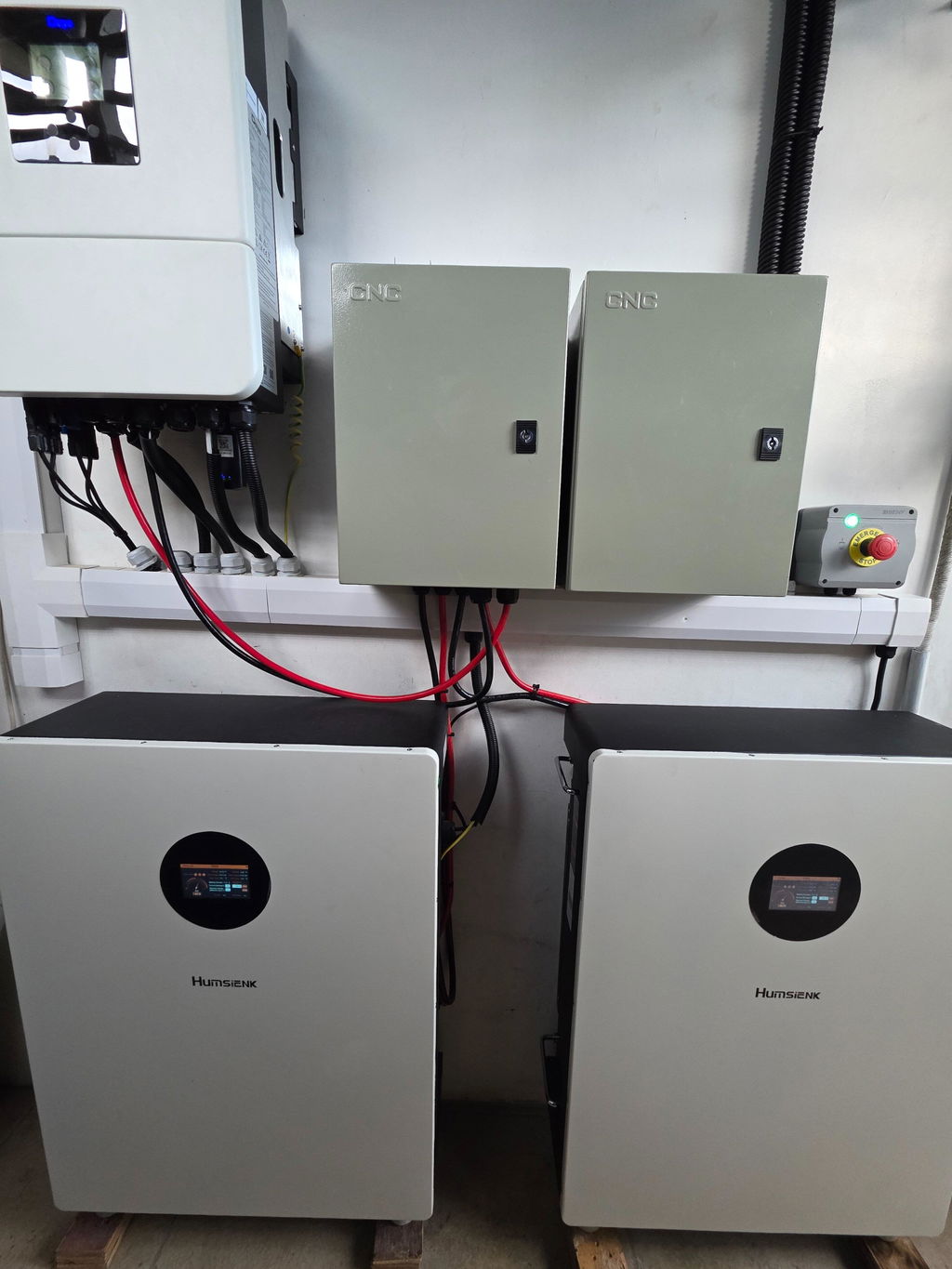
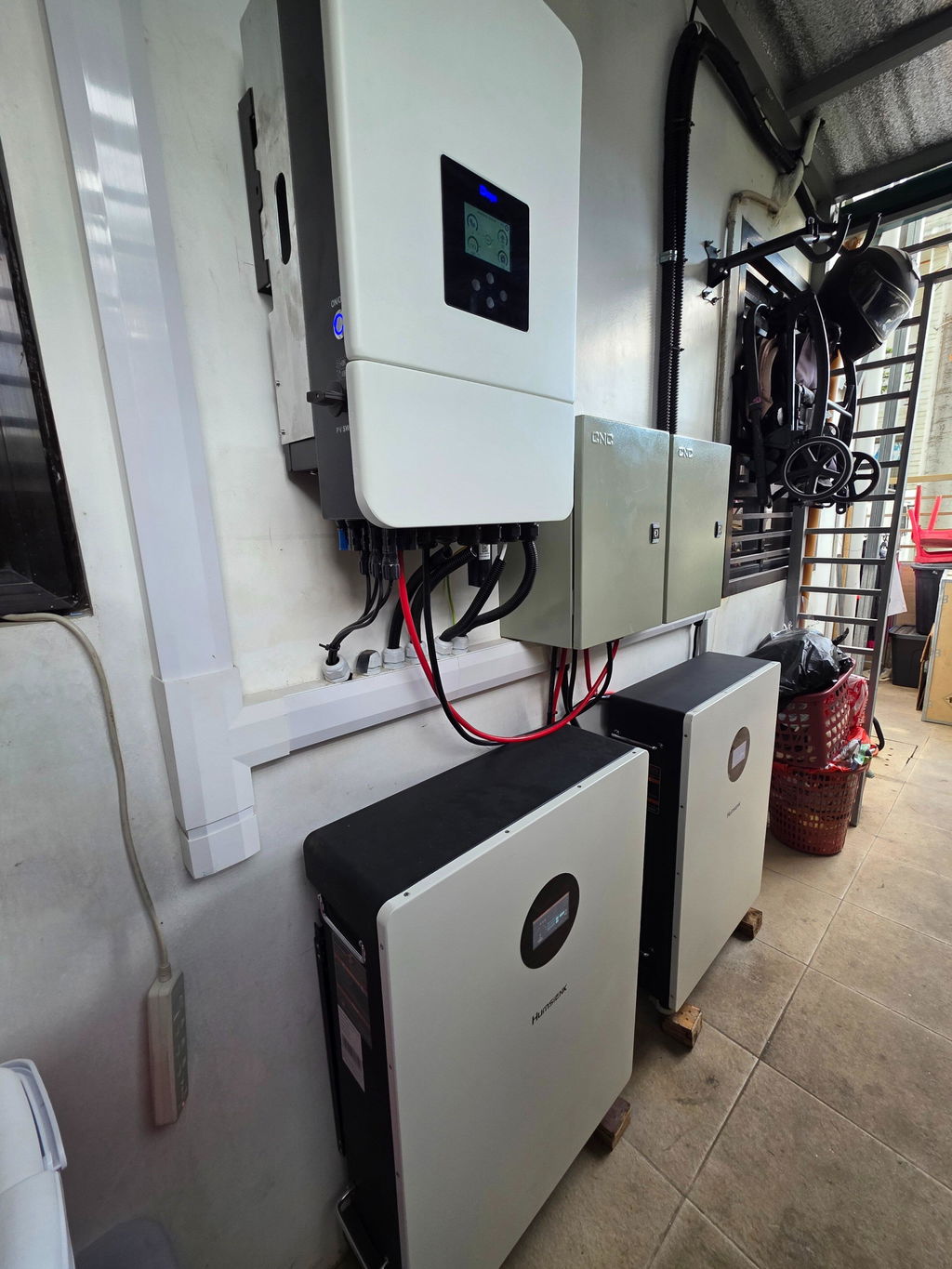
Haven’t installed products as of yet, but they look great!
Wish the shipping was faster, and the communication during the shipping process needs to improve greatly.
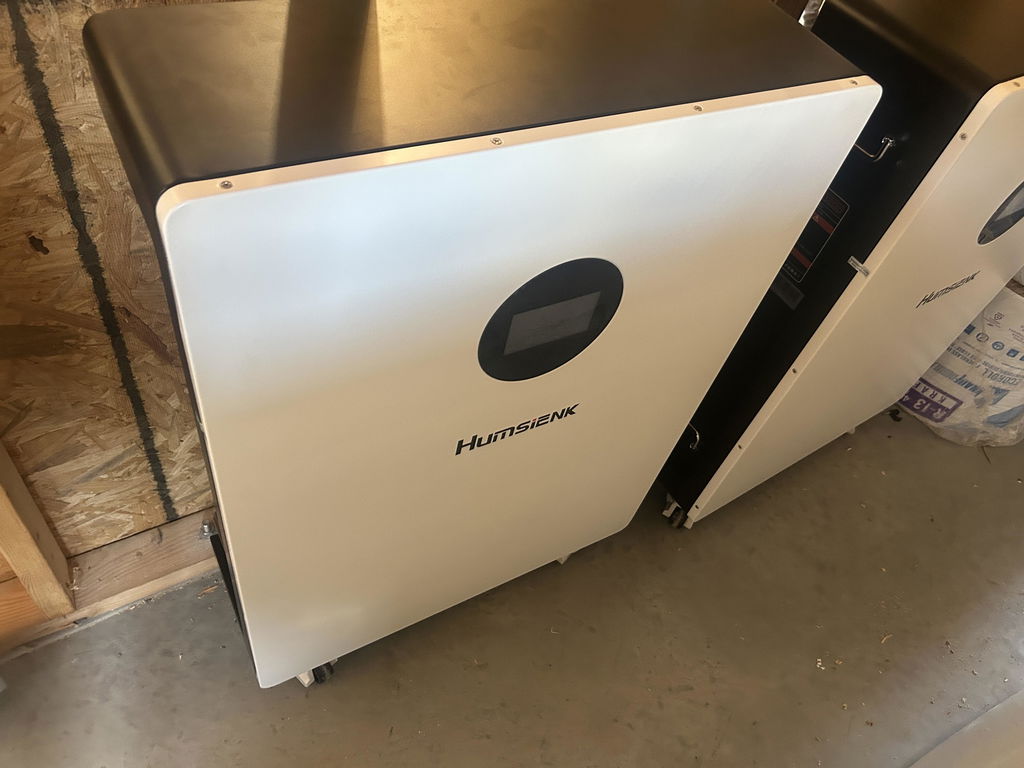
The battery is performing superbly and is well integrated into my battery bank.
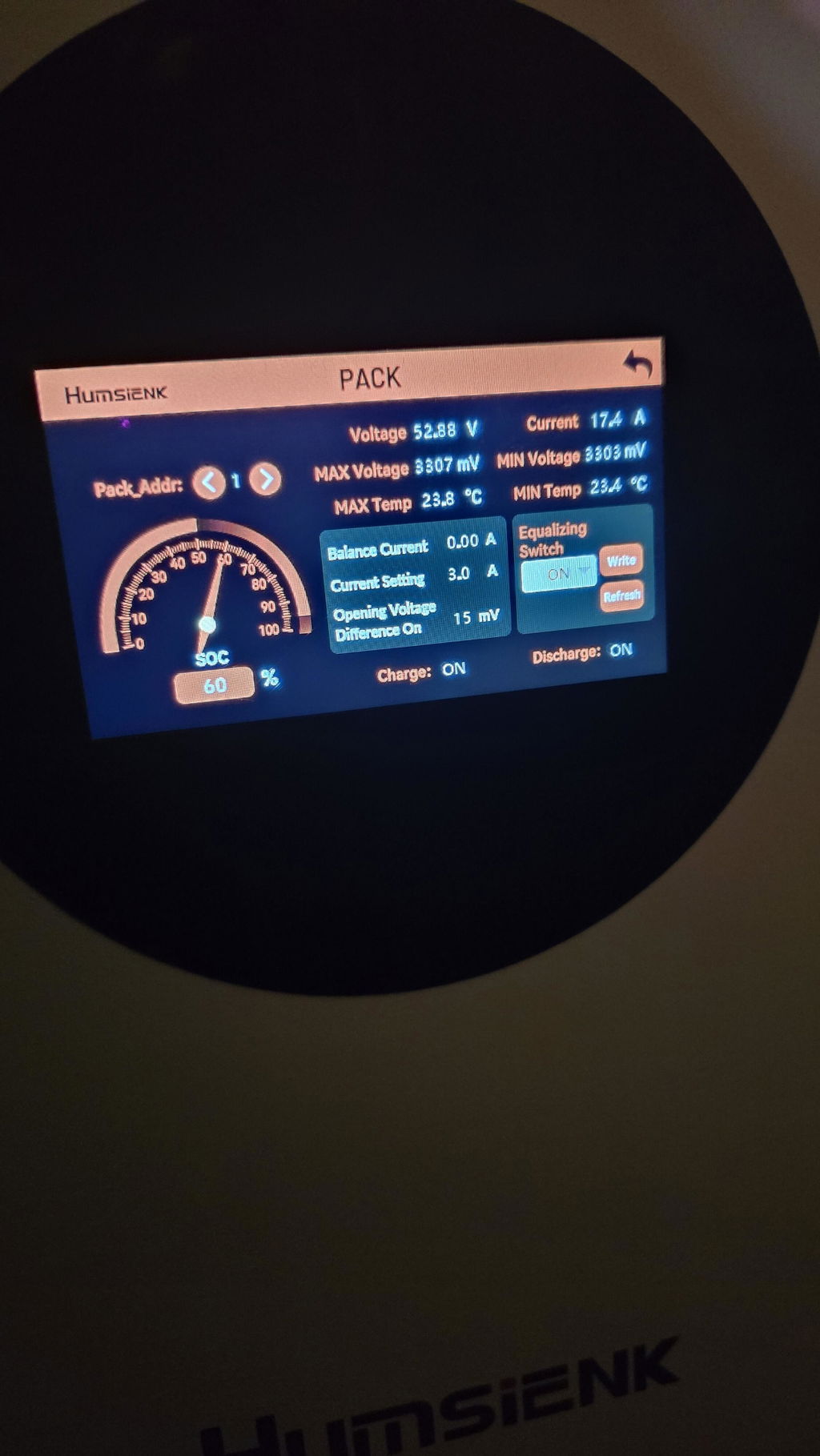
What a fantastic battery. Build quality, capacity, price. All come together for a great battery
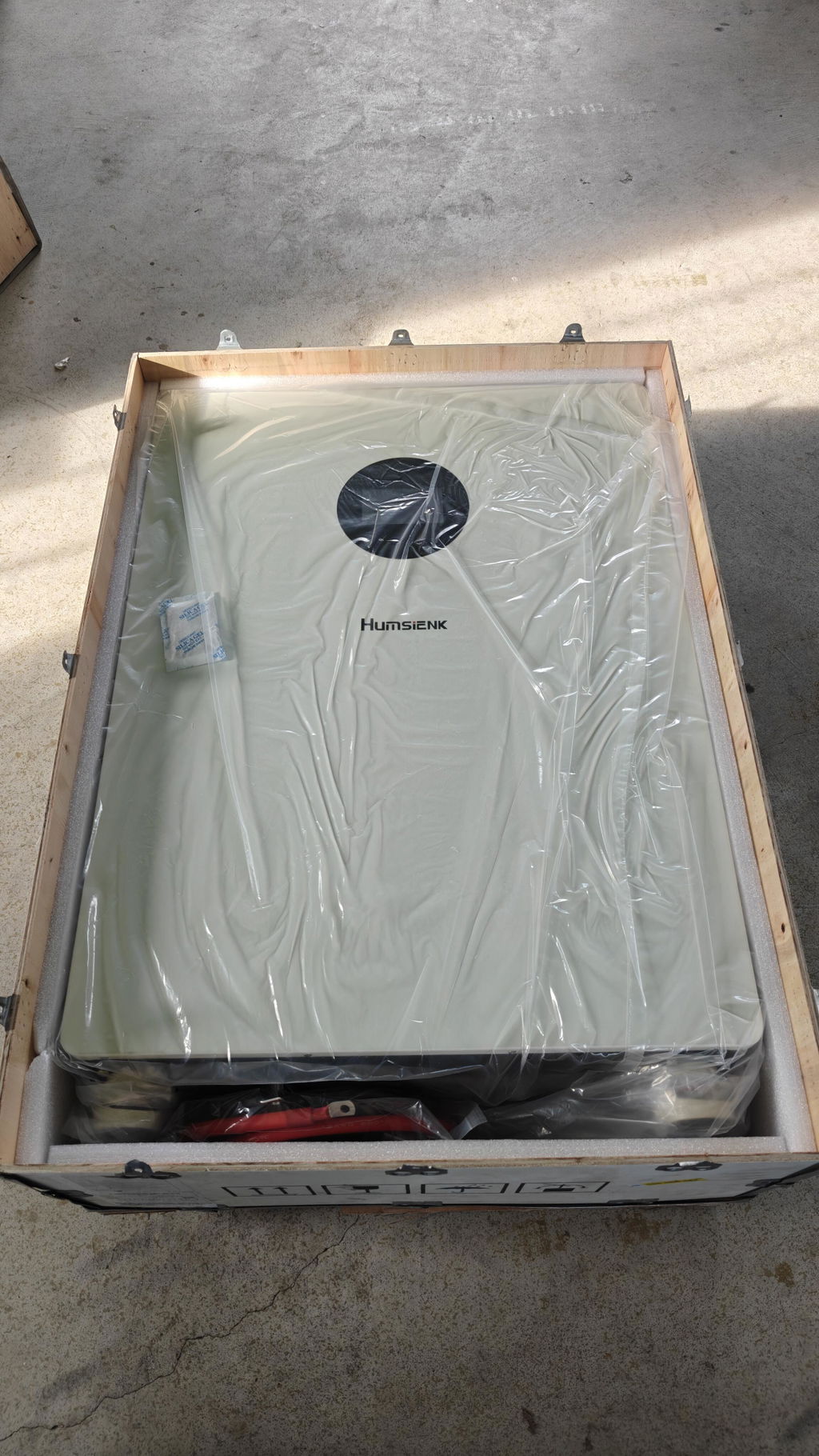
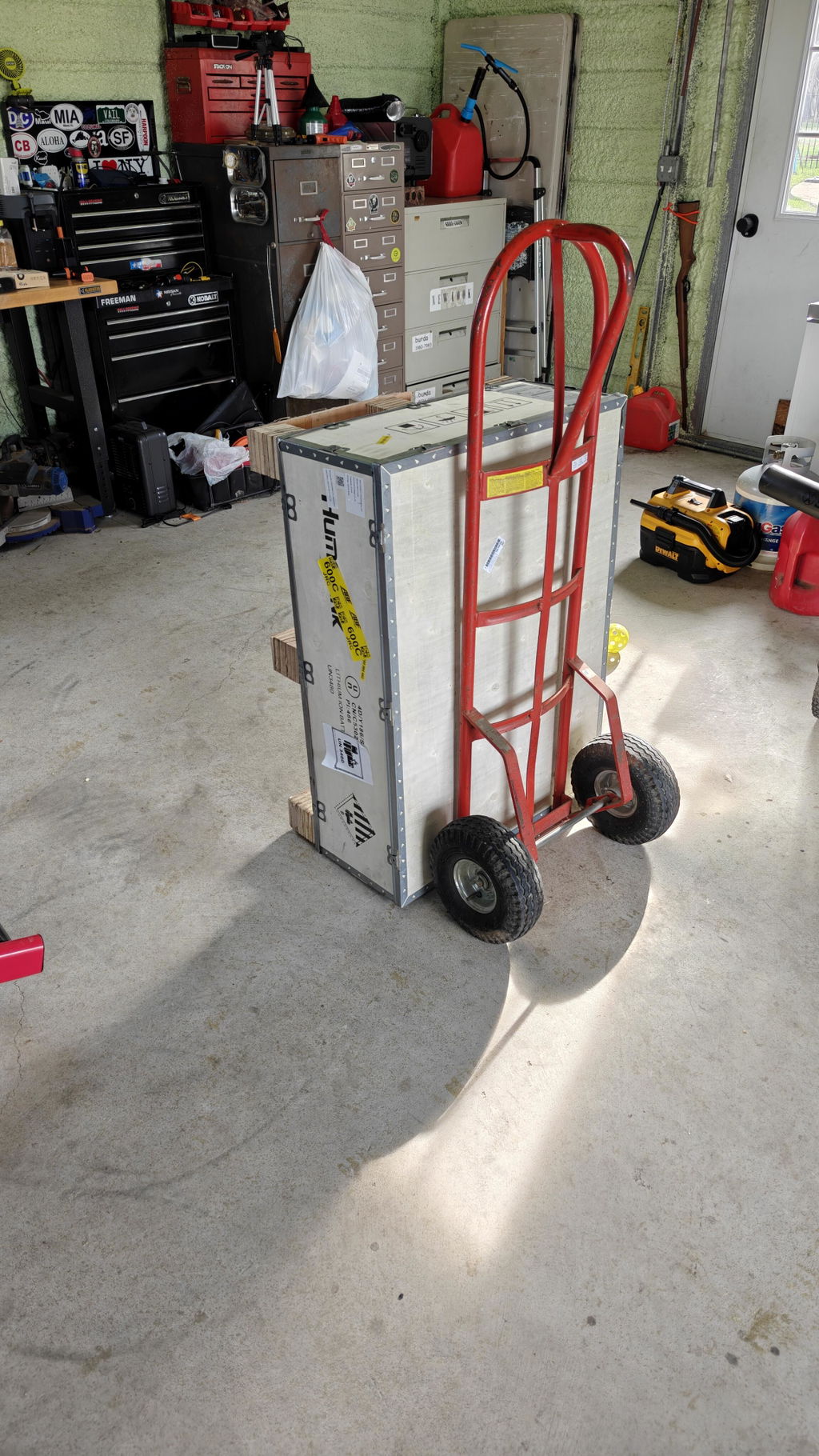
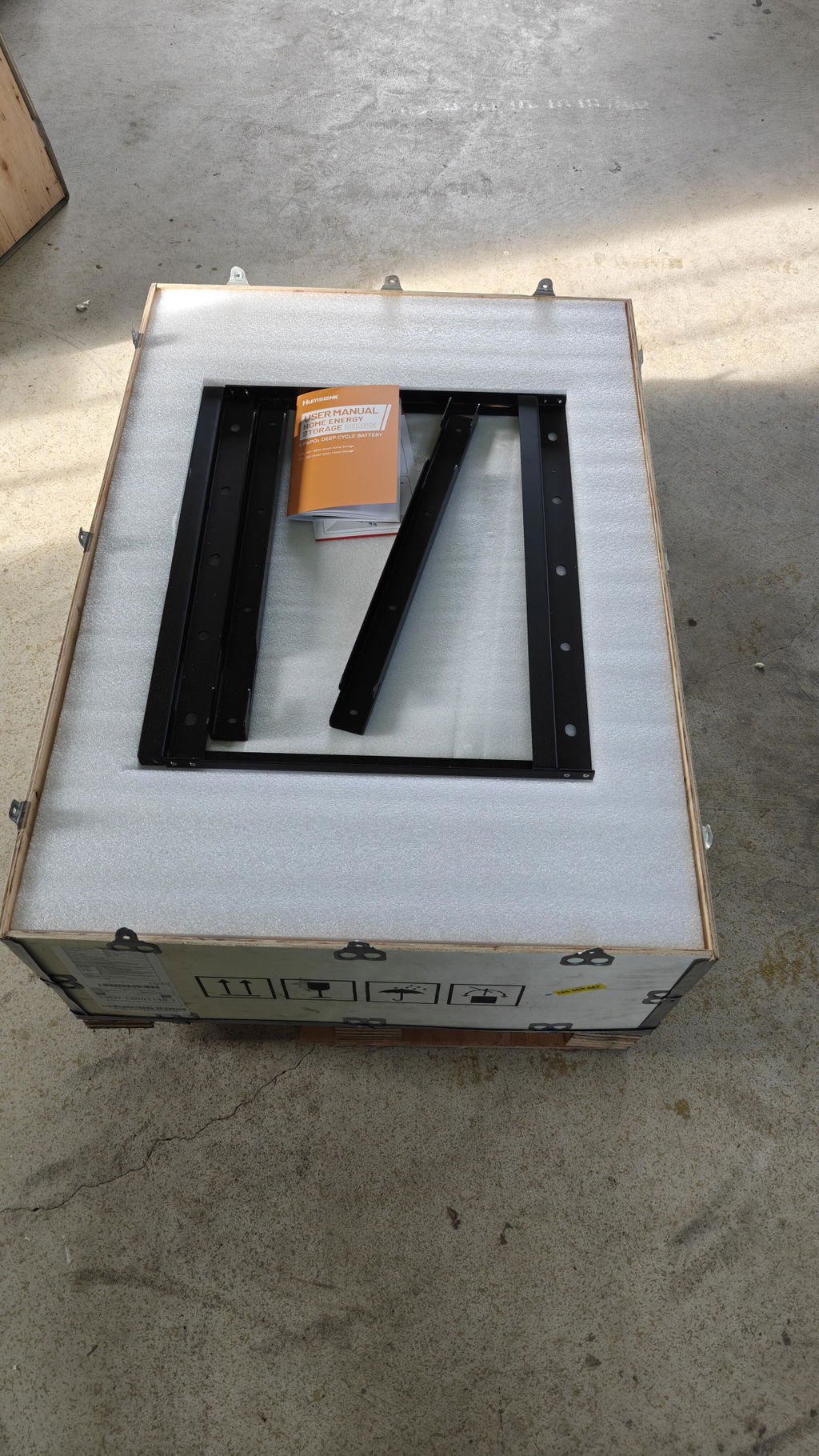
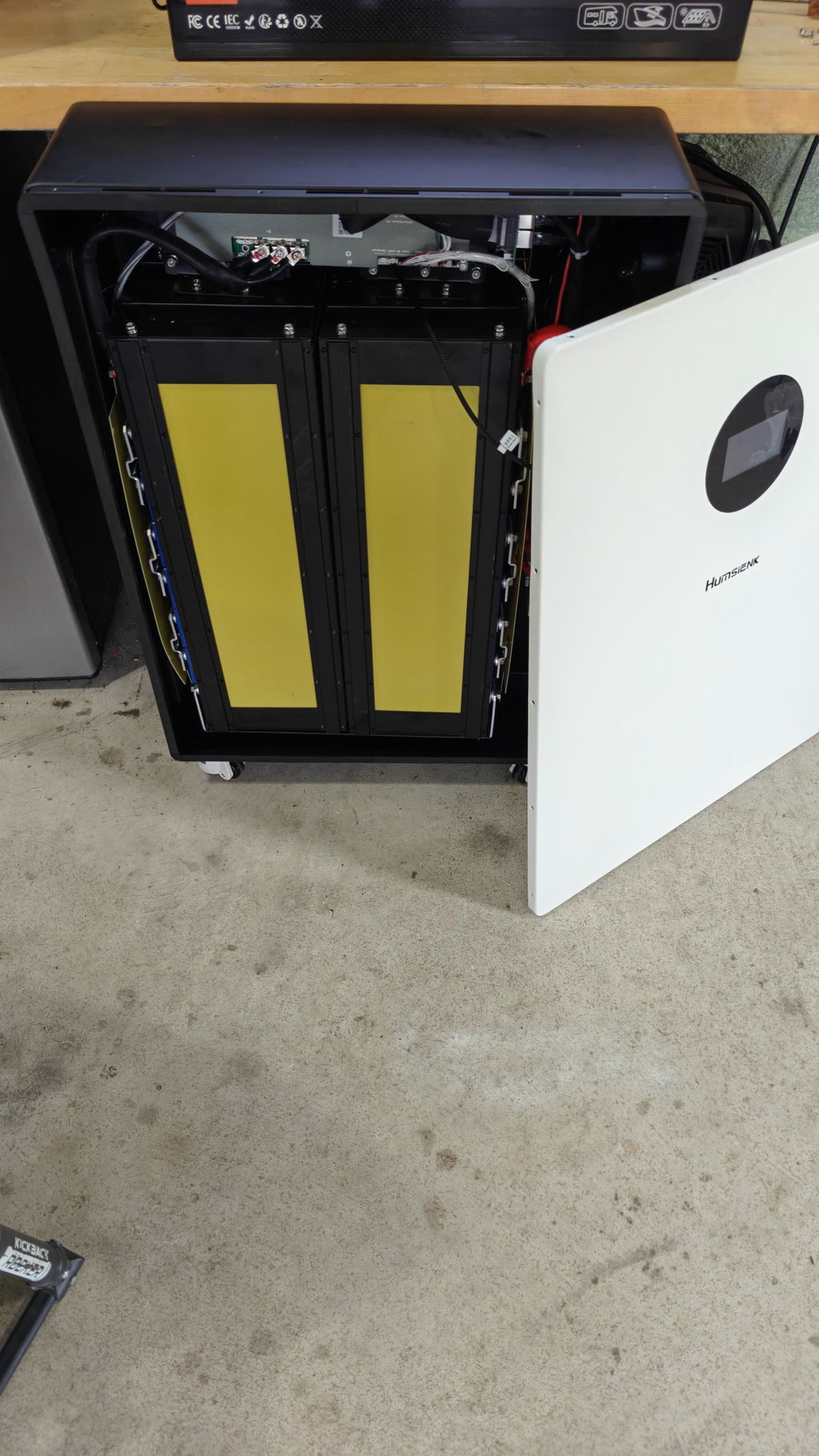
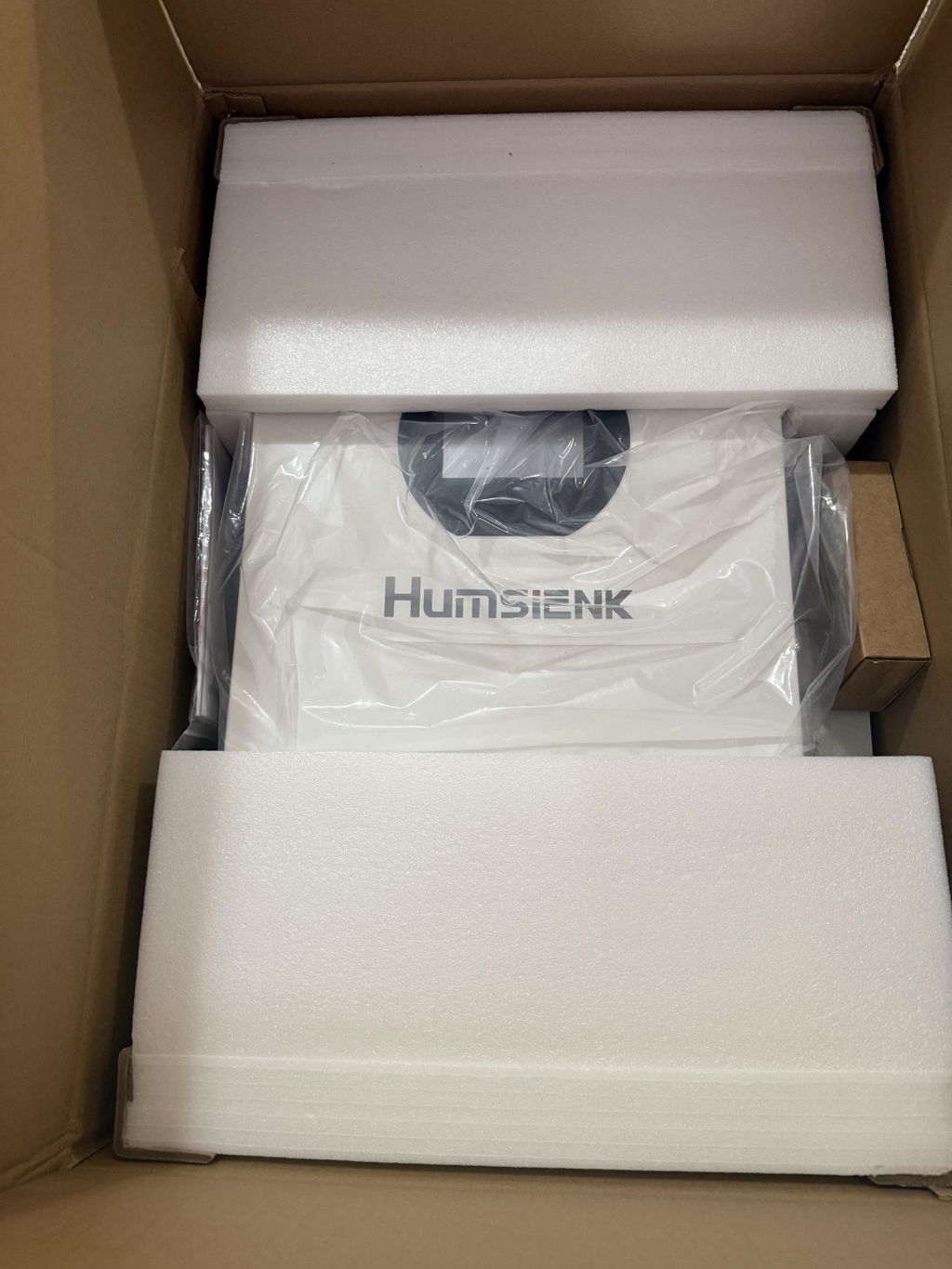
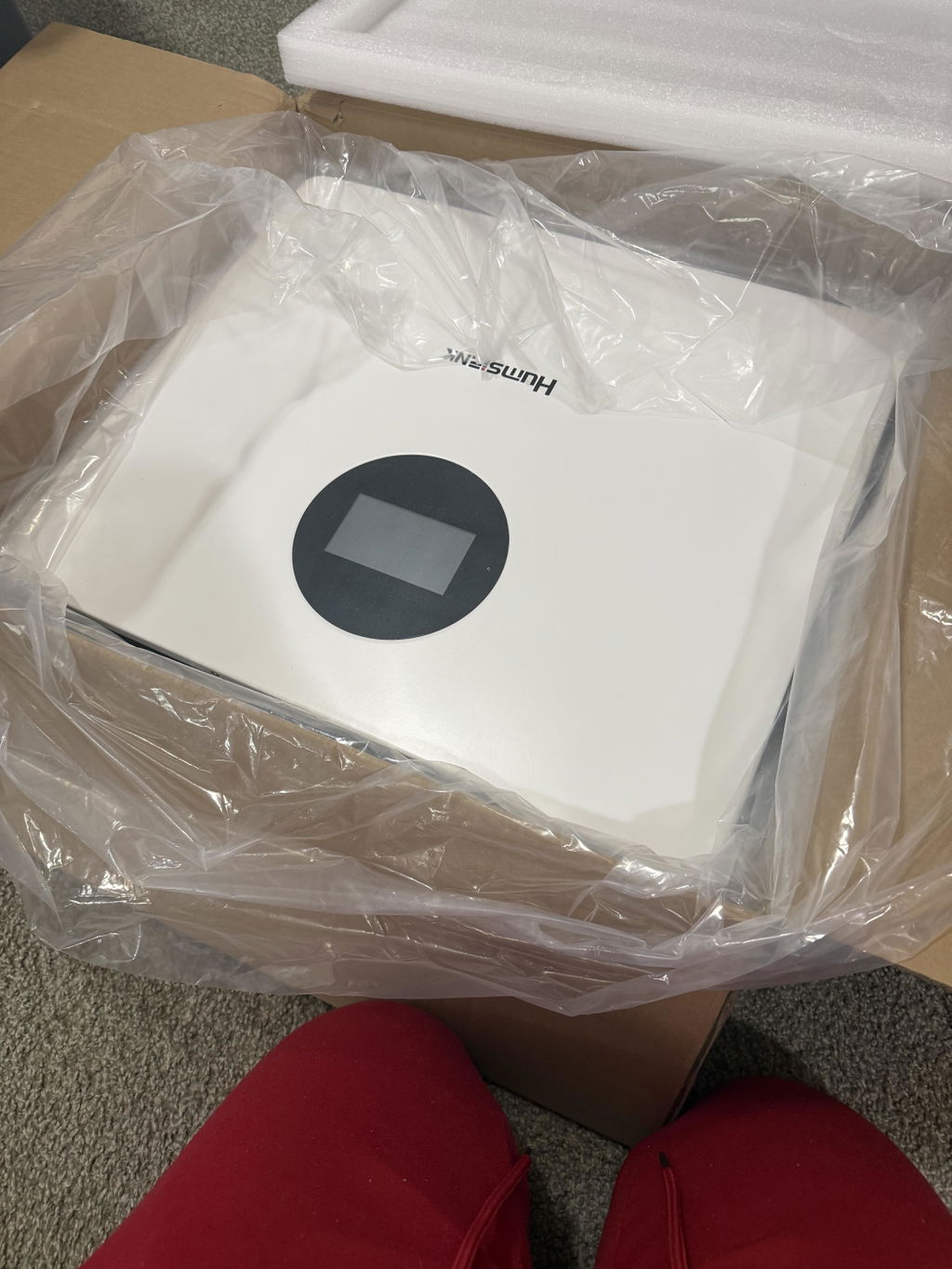
I had good customer service, the battery shipping was good an packaged well the quality of battery appears very nice you can see the inspection video https://youtu.be/an6IC2EYY5I you can see my unboxing video https://youtu.be/U3Onl1TdDKE and watch for future update videos
over all I am really happy with both the company customer service and the battery's I recived
The only issue I have had is the battery cables are not included to connect battery to battery
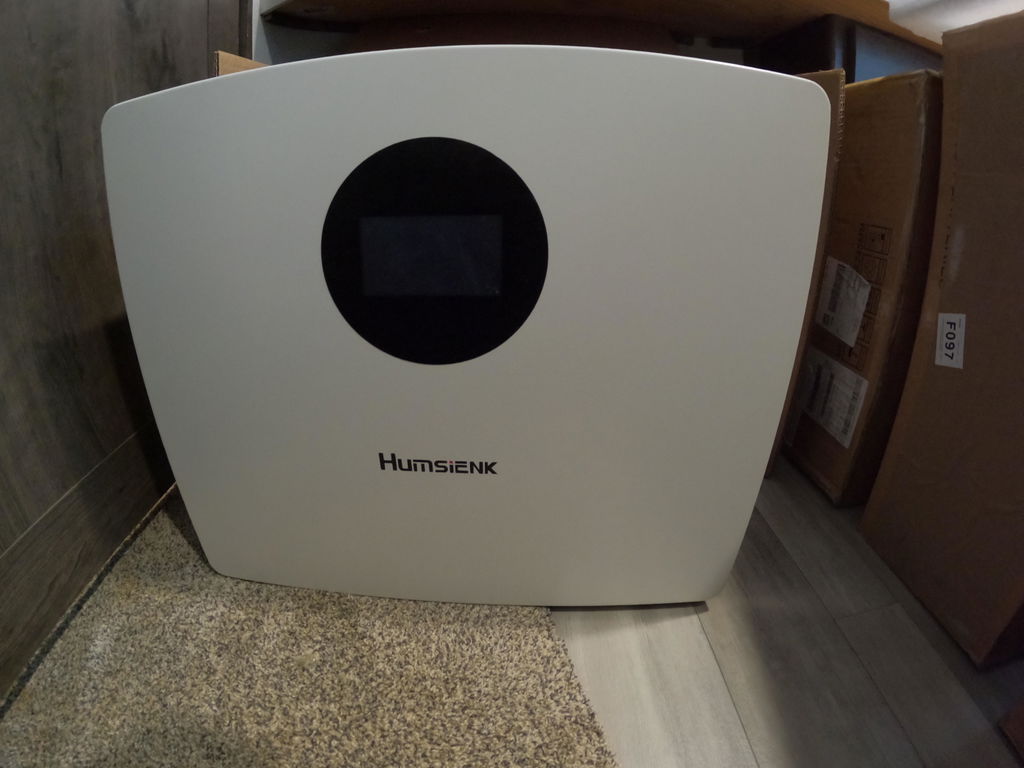
Communication wasn't the best to start but improved rapidly. Truck delivery couldn't have been better and the driver was great.
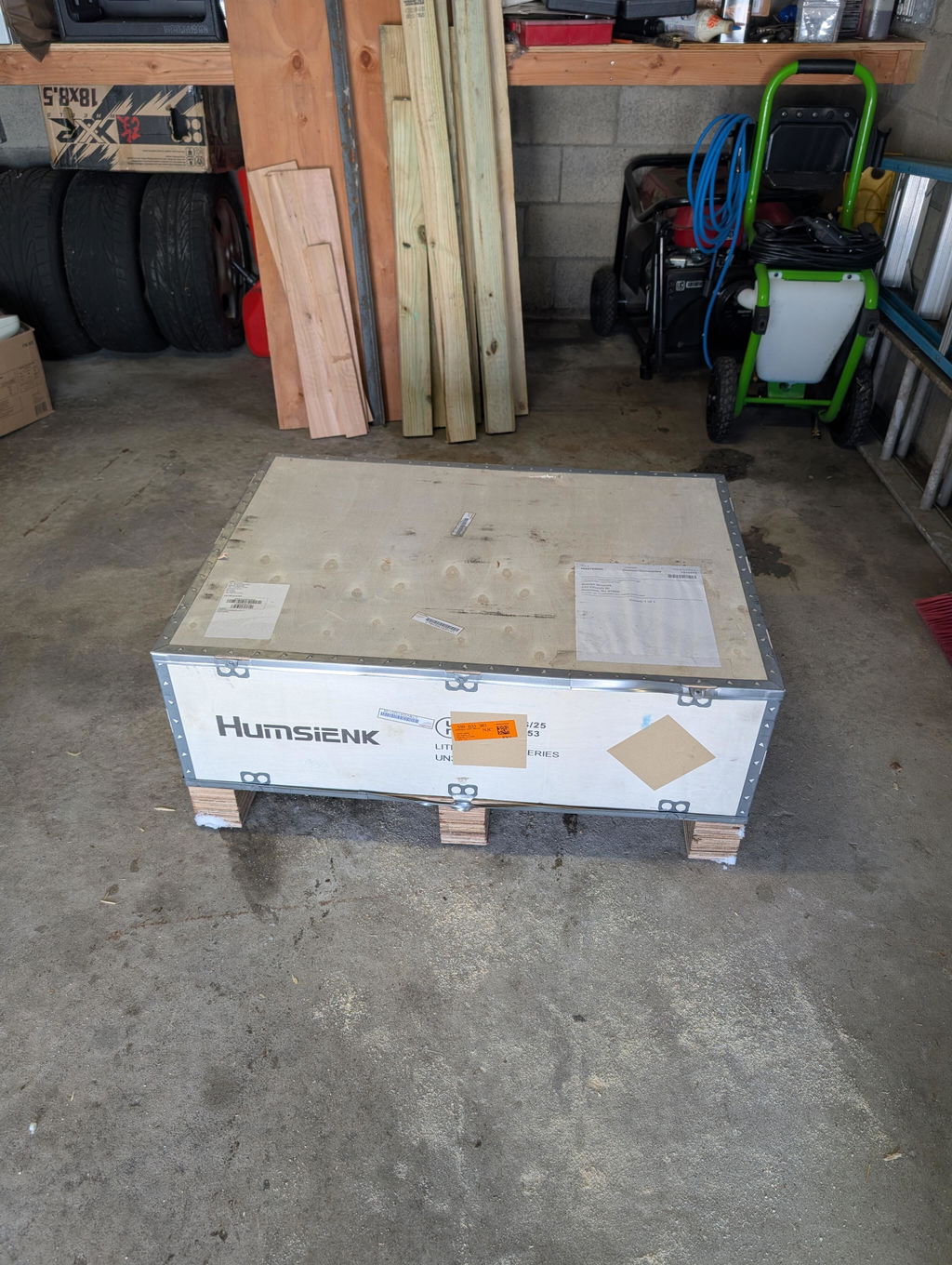
My batteries were packed incredibly well. I only have one crate that was damaged but the battery was not touched and seems fine so far. I ordered 4.
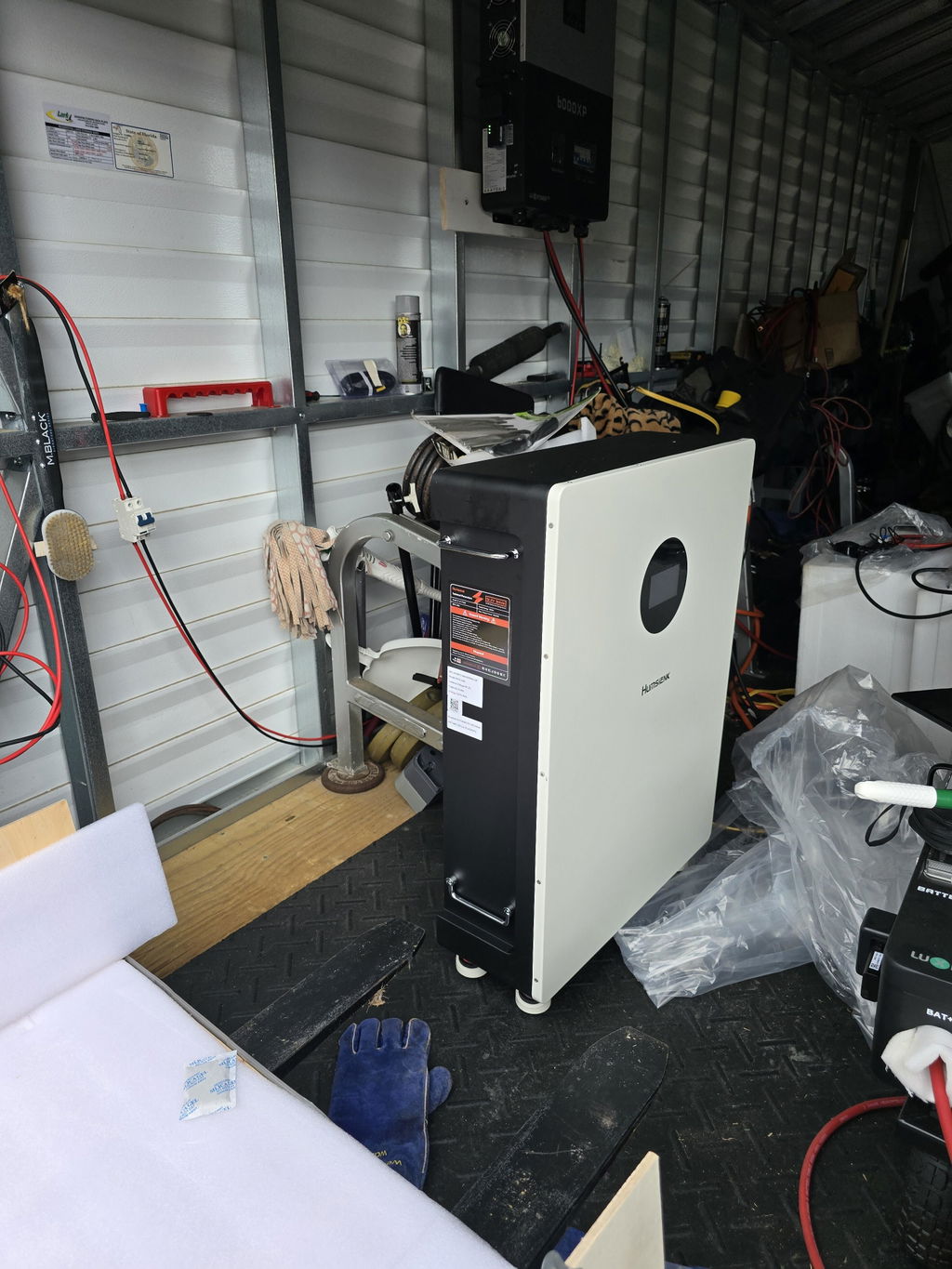
Absolutely awesome good build quality arrived. Perfect, sealed connections beyond the call of duty. Charge and discharge.Flawlessly every day could not be happier.
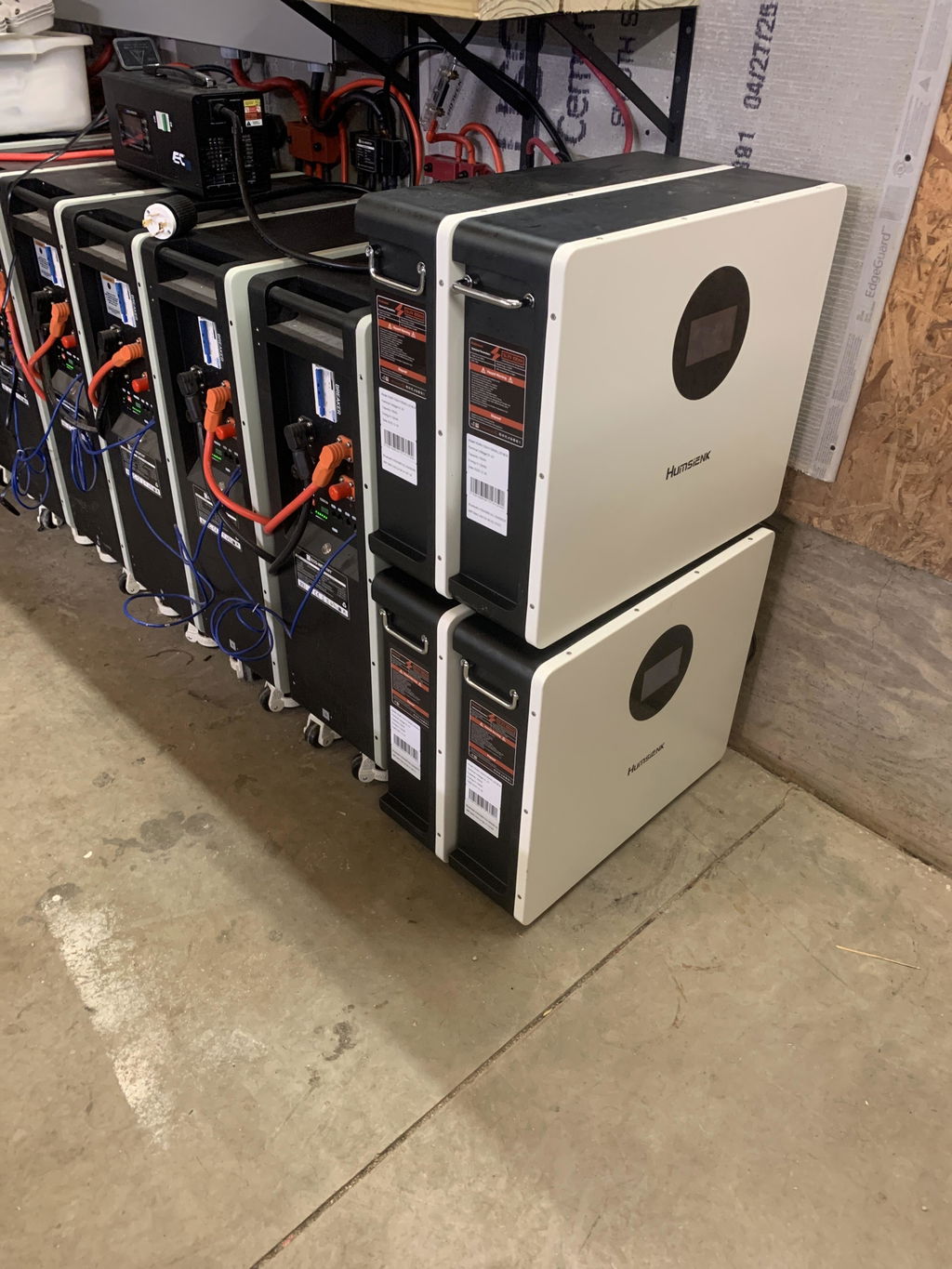
The battery is good value the money. The capacity, cables, and form factor are all great. The Bluetooth app works well and I was able to communicate with EG4 6000XP (capacity and SOC) using the inverter's lithium battery setting 2.
I had two issues with my batteries. First the packing material were insufficient to protect the battery during shipping. The steel case appears to be a bit thin for the weight of the battery and a couple of corners had some damage and the front panel of one of my two batteries also had dimples in the steel from light damage.
Another issue I experienced with both batteries was related to low temperature discharge cut off. There are two low temperature cut off settings, one for charging and the other for discharging. The low temperature cut off for charging works correct, but the low temperature cut off for discharge does not. When the battery temperature falls below the charge cut off set point, the battery also also disables discharge (despite a lower discharge cutoff set point). This effectively means you can't discharge these batteries below freezing.
I was able to overcome the low temperature discharge cut off issue by building a small insulated enclosure and added some greenhouse heating pads to keep the batteries warm enough to charge and discharge.
Although there wasn't a firmware patch to fix the low temperature discharge cutoff, communication with Humsiemk customer service was pretty good. They were responsive and made a genuine effort to achieve a satisfactory outcome.
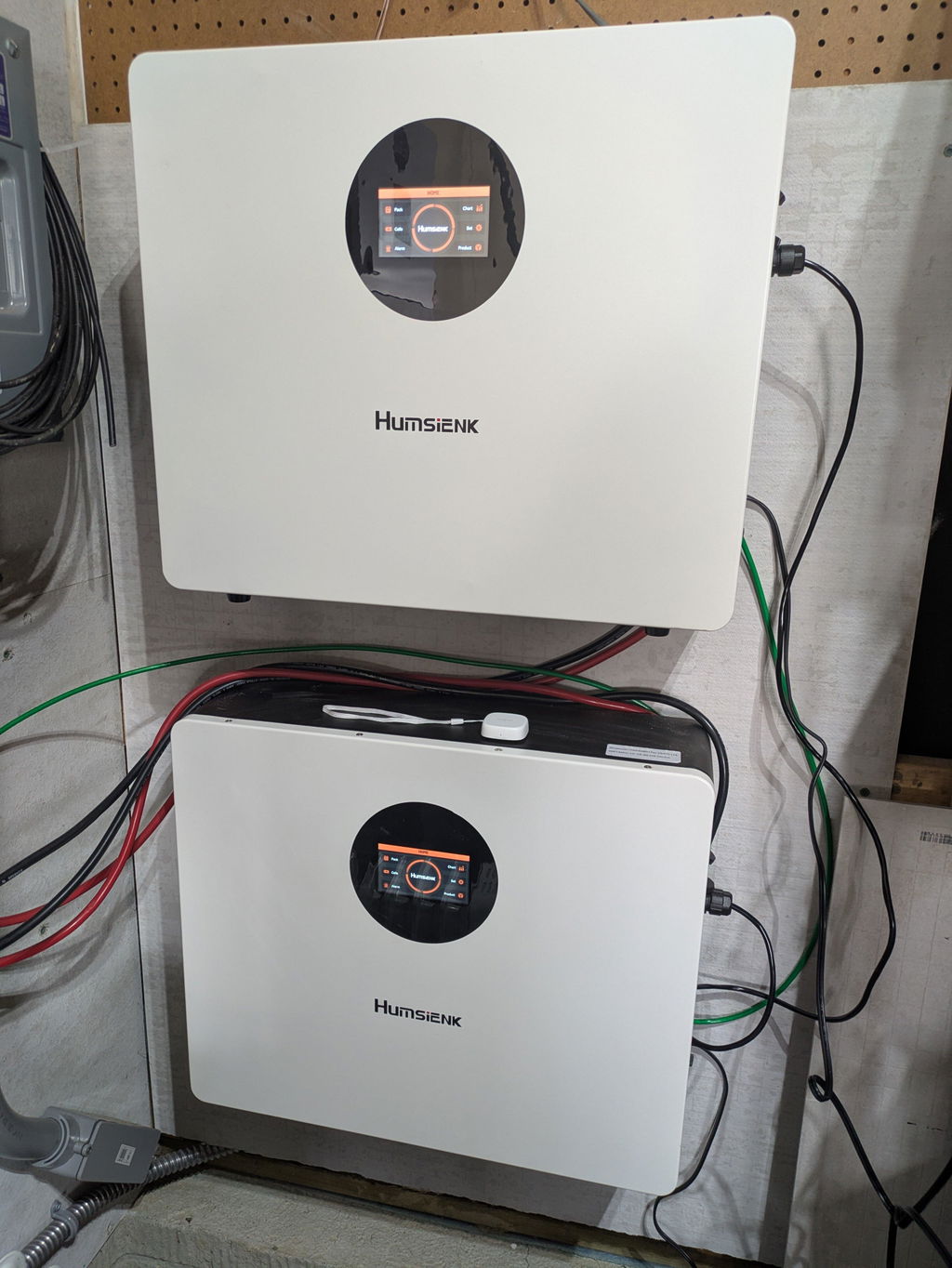
Nice Bluetooth LifePo4 battery. Just hook up to LiTime 48V 5000watt solar inverter and Sungold solar panels. Working well.
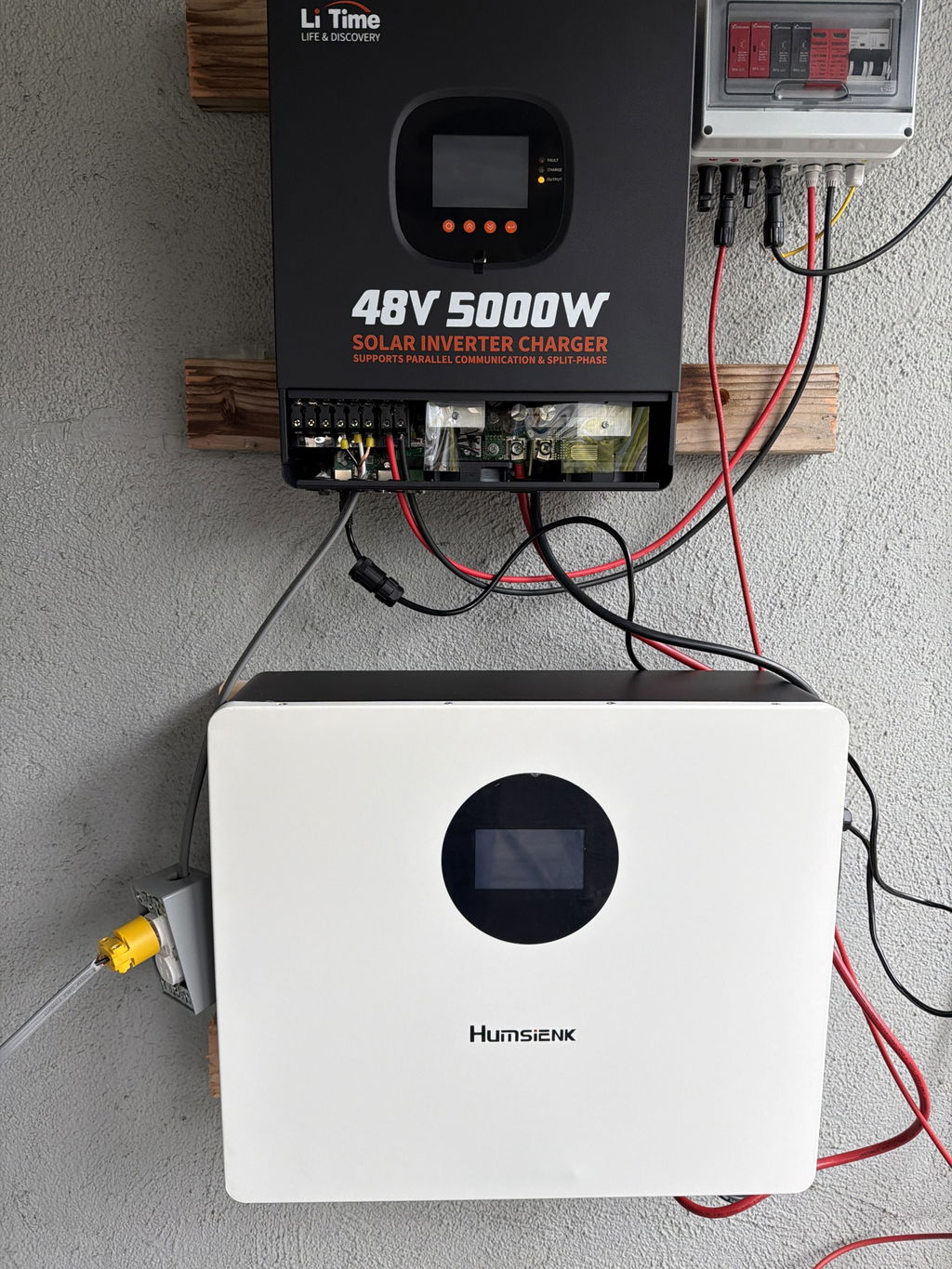
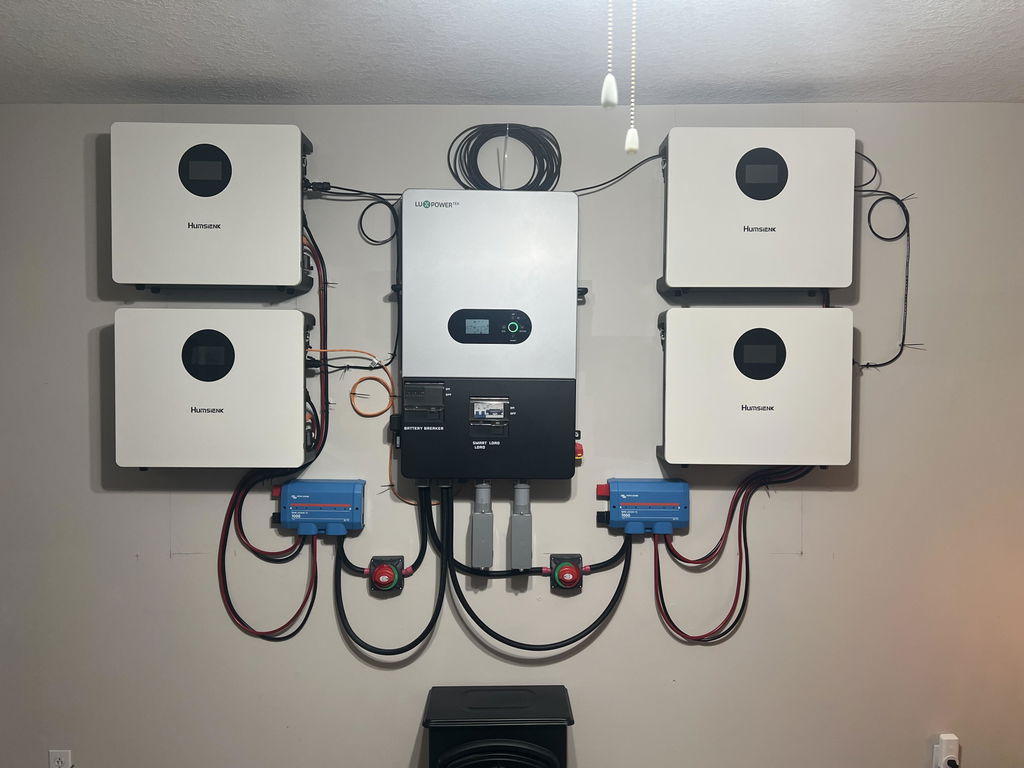
Batteries arrived fast and on schedule. Capacity and technical specifications as listedon site. 4 in total mounted on my wall running my house at the moment.